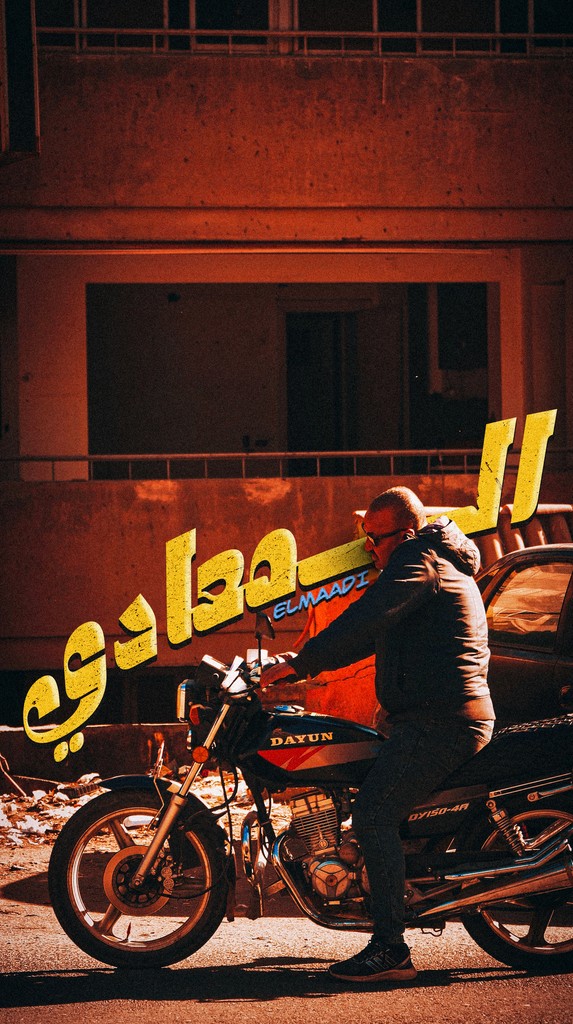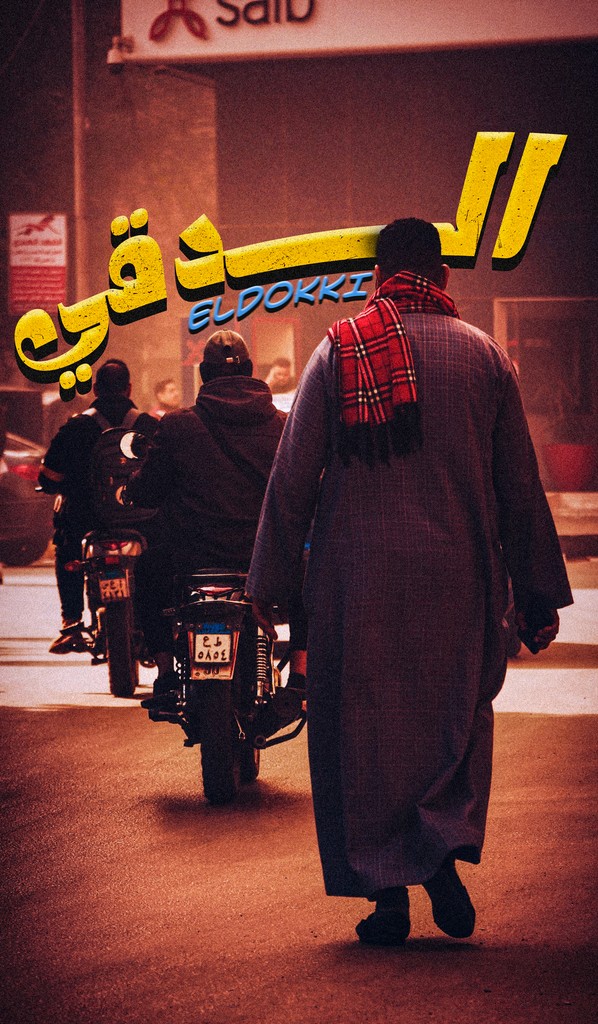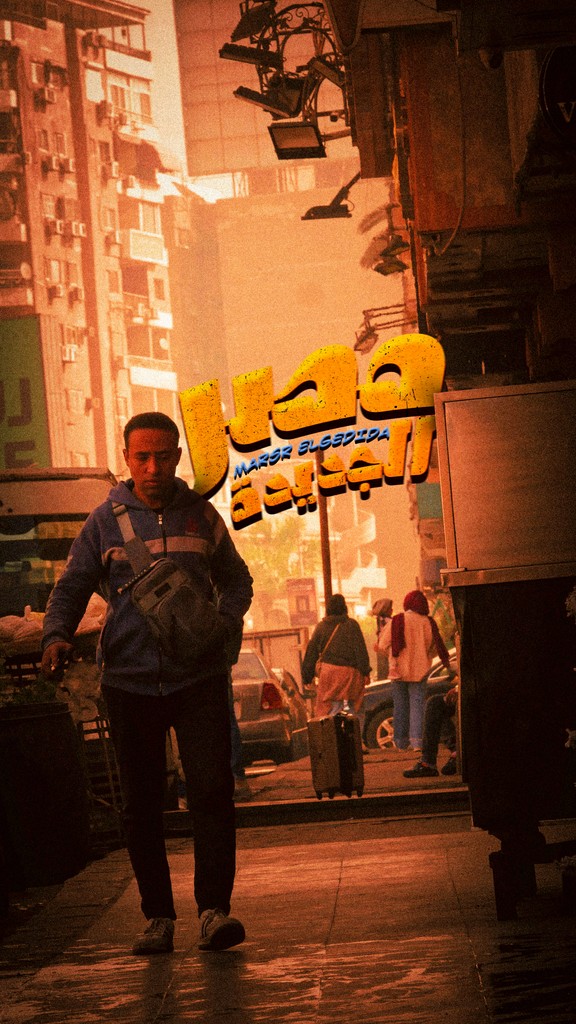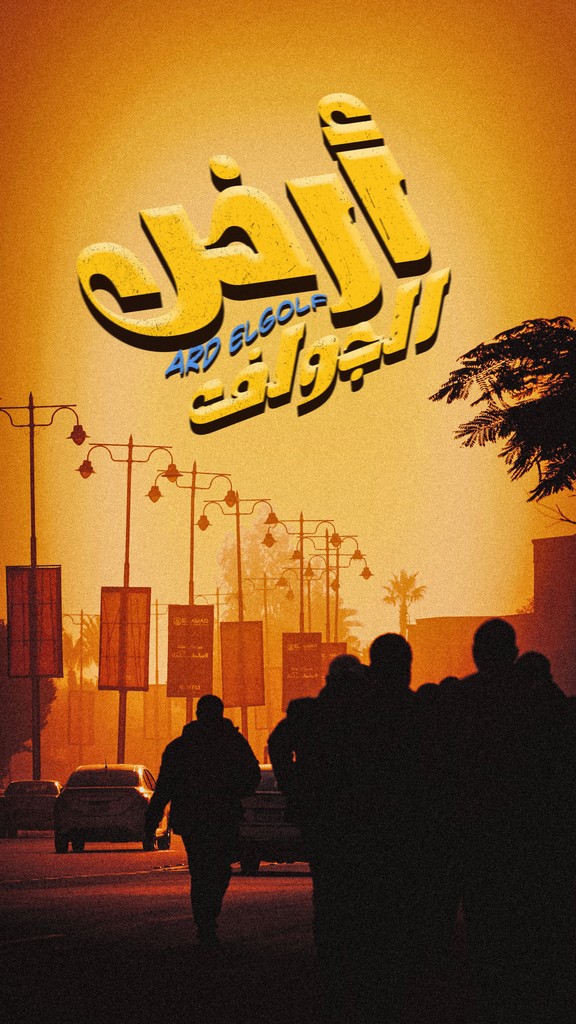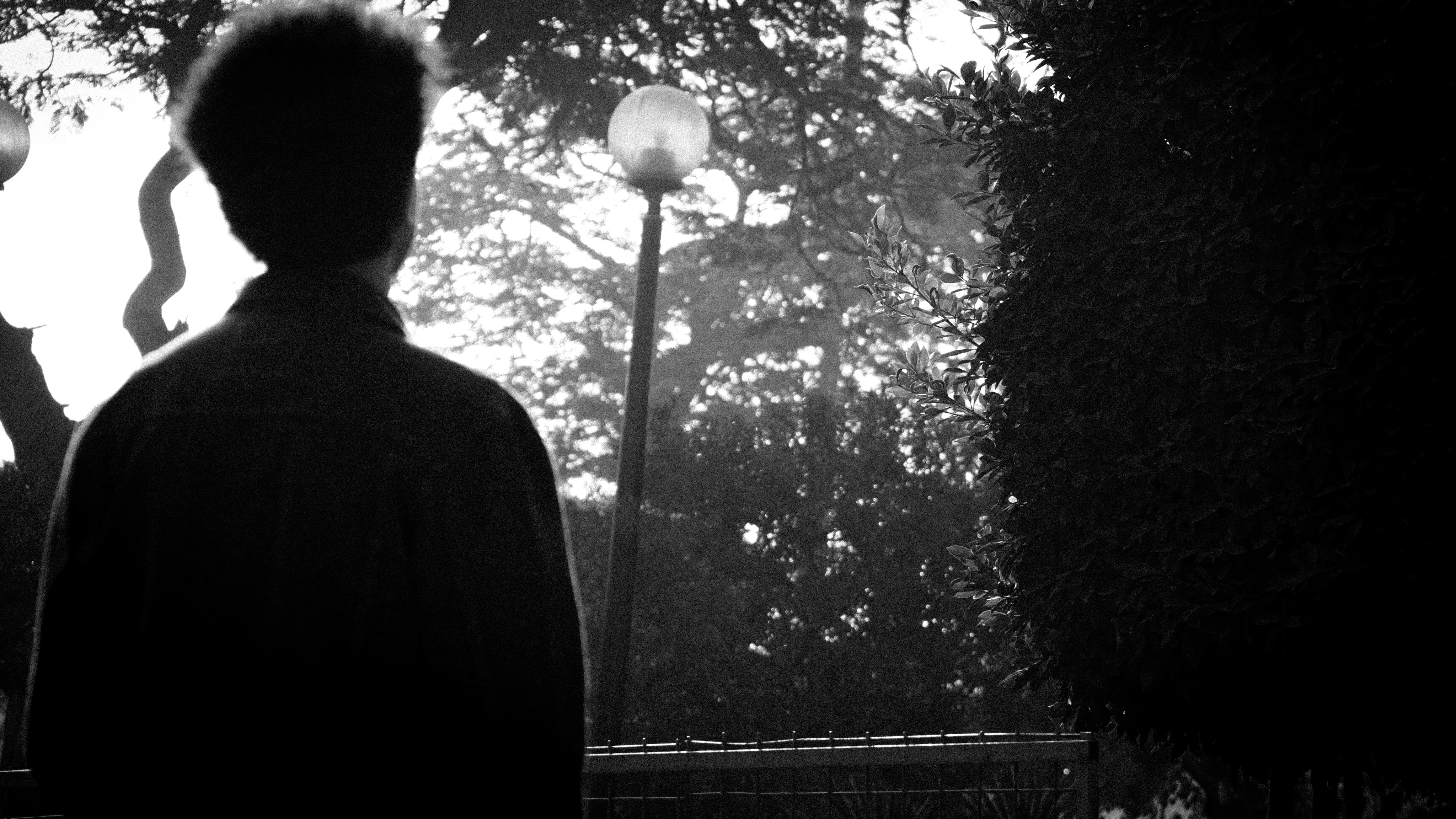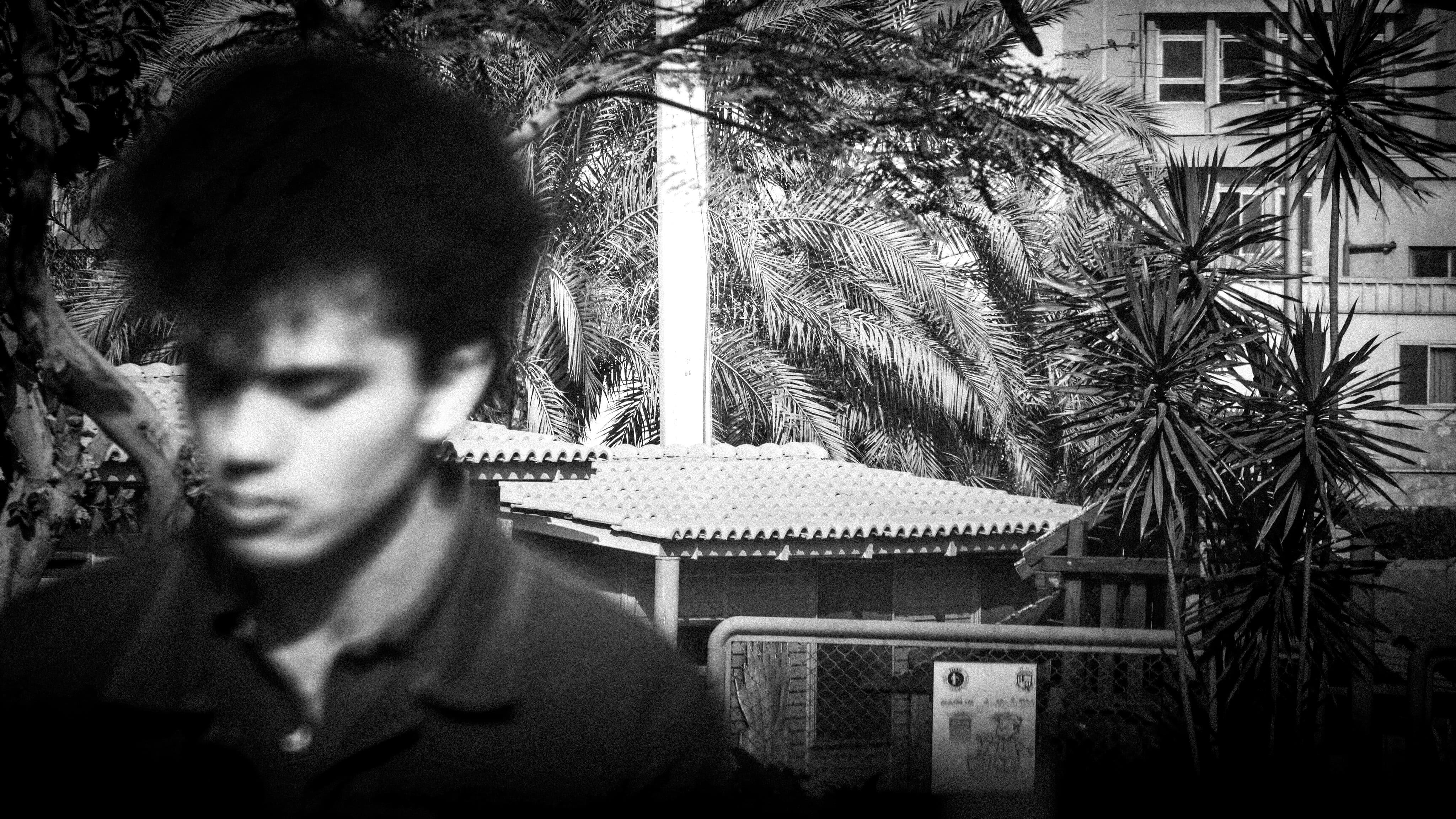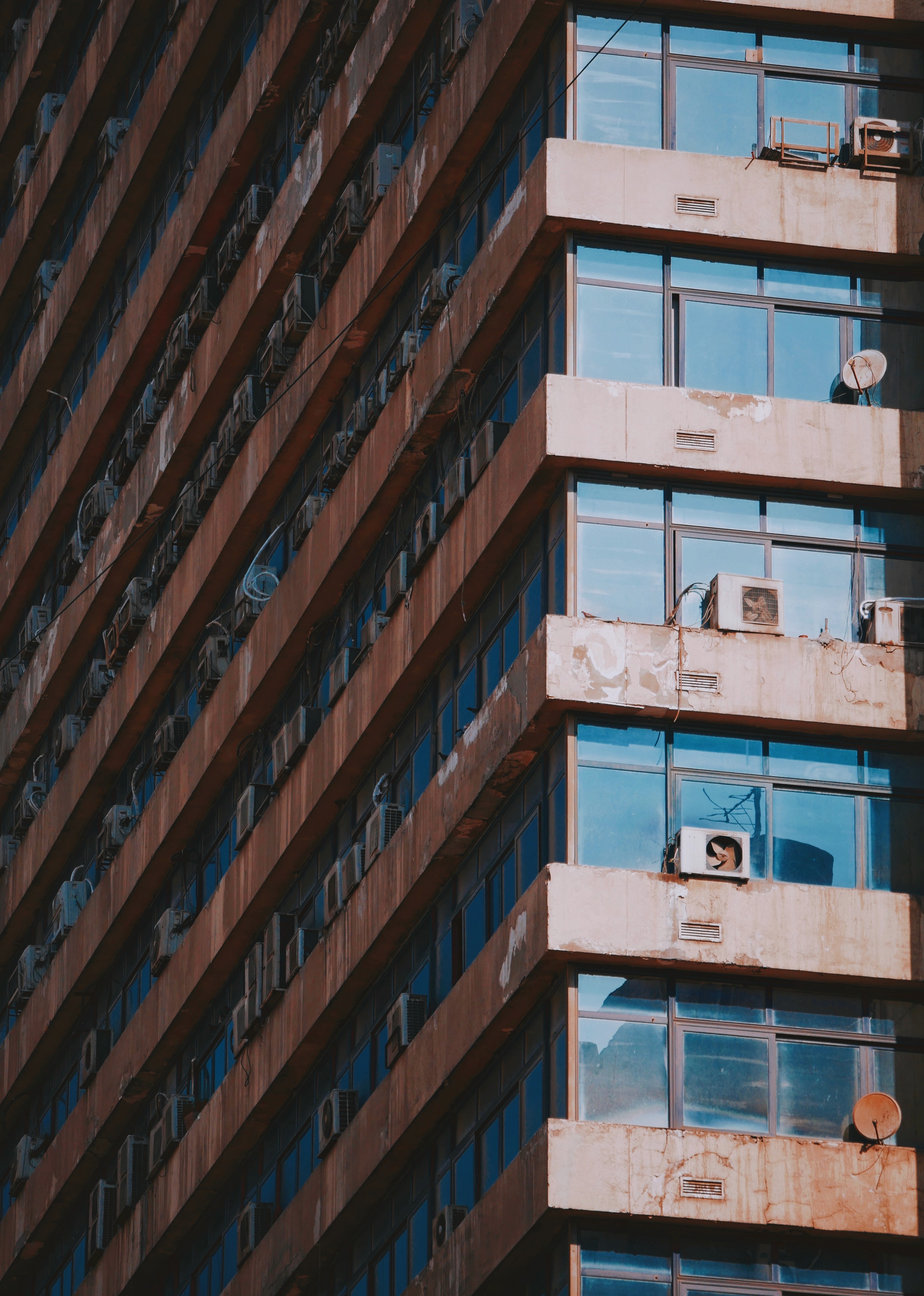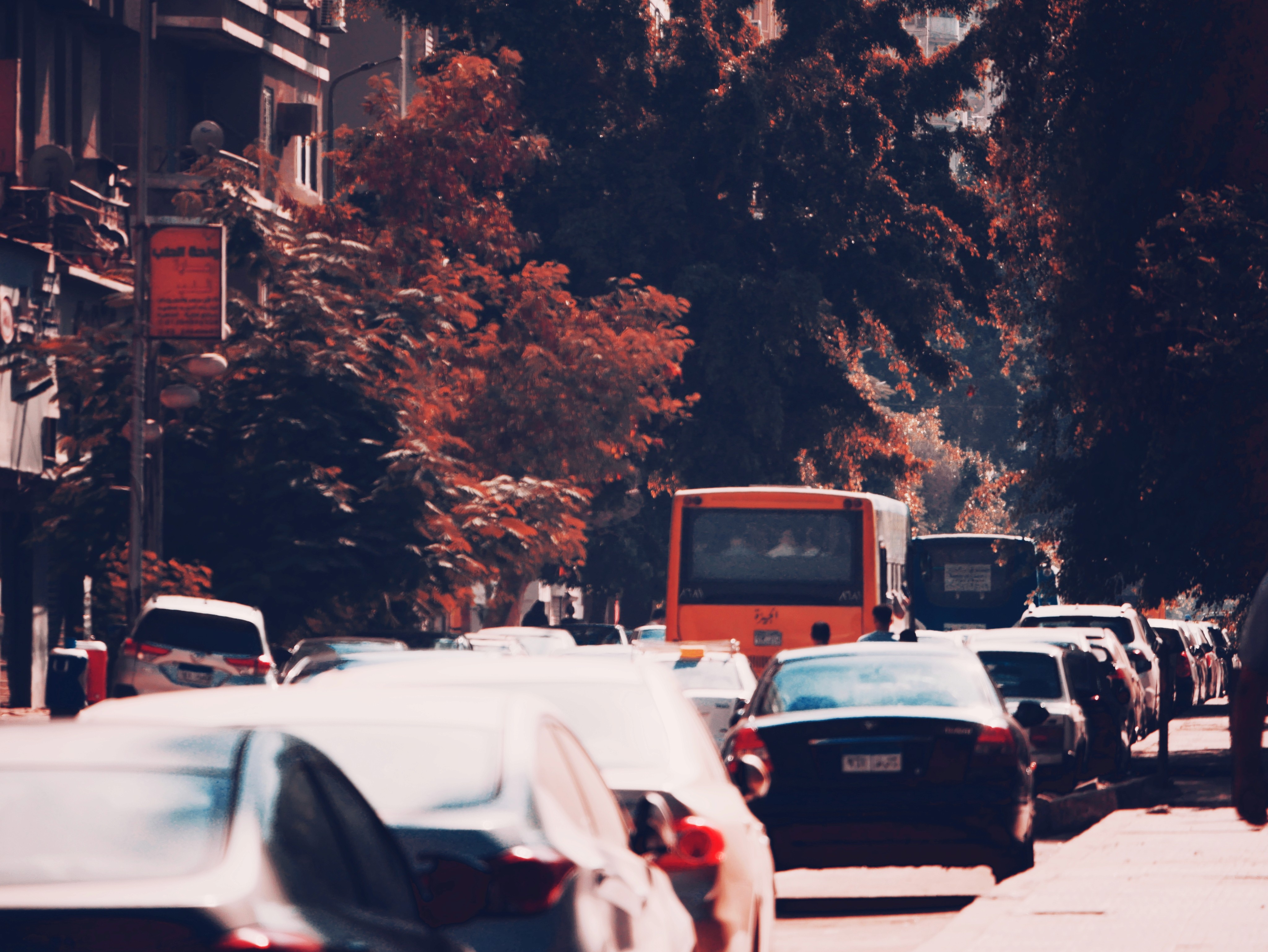
Hi I'm Marwan Elsawy. I believe that the most beautiful things are often the things we stopped noticing. My mission is to bridge the gap between the familiar and the forgotten, inviting you to slow down and enjoy the small, glowing details I’ve brought back to life.
HI, FINNEGAN MONROE HERE. A FREELANCE PHOTOGRAPHER IN NY THE SHUTTERBUG EXTRAORDINAIRE CAPTURING LIFE'S MAGICAL MOMENTS ONE CLICK AT A TIME.
I am…
AN ARCHITECT/ MOTION GRAPHER CONCERNED ABOUT CAPTURING EGYP'TS HIDDEN GEMS, I SEE BUILDINGS AS A PART OF US , THEY REFLECT OUR SOUL AND CHARCHTER,I'M CONCERNED ABOUT MAKING A REAL CHANGE AND ADDING A NEW EXPERIENCE TO THE FORGOTTEN, I SEE ART AND INNOVATION IN EVERTHING AND I BELIEVE THAT I CAN REFLECT MY CHARCHTER THROUGH DEDICATION AND CRAFTSMANSHIP.
HOw i see stuff in real life
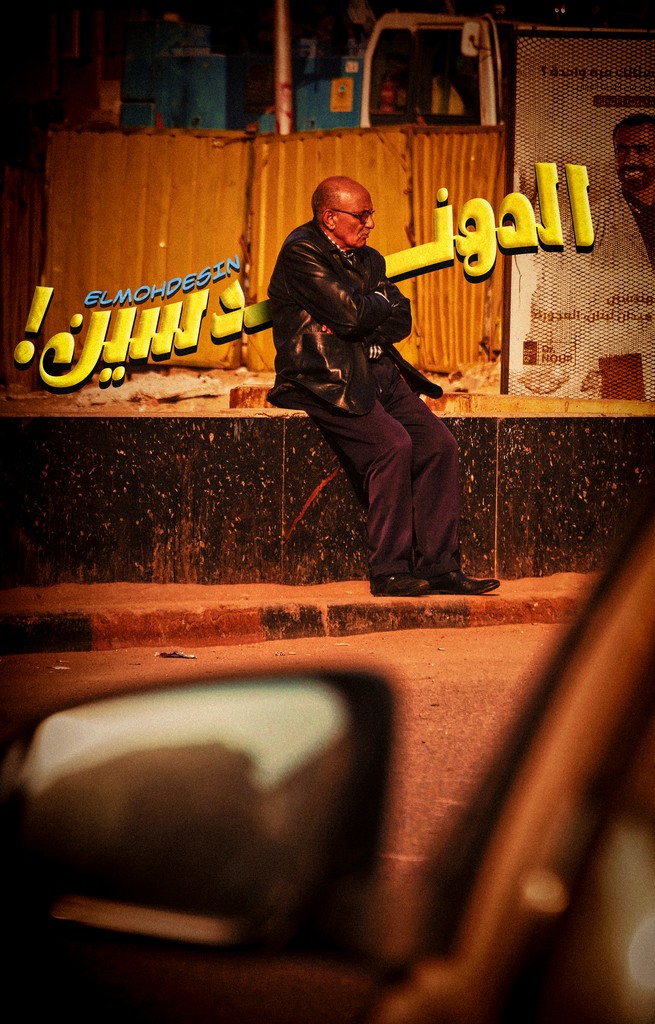
not queite
K+
not queite
K+
not queite
K+
not queite
+
not queite
+
not queite
+
not queite
+
not queite
+
not queite
+
not queite
+
not queite
+
not queite
+
EYGPTIAN ORGANIZATIONS I'VE WORKED WITH


My Expertise
My Expertise
My Expertise
Real Estate Photography
Lorem ipsum dolor sit amet consectetur drakgo adipiscing elit quisque lectus egestas ipsum dolor cursus at ac nisl ipsum arcu urna, rhoncus amet pharetra mattis vulputate dignissi.
Product Photography
Lorem ipsum dolor sit amet consectetur drakgo adipiscing elit quisque lectus egestas ipsum dolor cursus at ac nisl ipsum arcu urna, rhoncus amet pharetra mattis vulputate dignissi.
Landscape Photography
Lorem ipsum dolor sit amet consectetur drakgo adipiscing elit quisque lectus egestas ipsum dolor cursus at ac nisl ipsum arcu urna, rhoncus amet pharetra mattis vulputate dignissi.
Architecture sketching
Lorem ipsum dolor sit amet consectetur drakgo adipiscing elit quisque lectus egestas ipsum dolor cursus at ac nisl ipsum arcu urna, rhoncus amet pharetra mattis vulputate dignissi.
Real Estate Photography
Lorem ipsum dolor sit amet consectetur drakgo adipiscing elit quisque lectus egestas ipsum dolor cursus at ac nisl ipsum arcu urna, rhoncus amet pharetra mattis vulputate dignissi.
Product Photography
Lorem ipsum dolor sit amet consectetur drakgo adipiscing elit quisque lectus egestas ipsum dolor cursus at ac nisl ipsum arcu urna, rhoncus amet pharetra mattis vulputate dignissi.
Landscape Photography
Lorem ipsum dolor sit amet consectetur drakgo adipiscing elit quisque lectus egestas ipsum dolor cursus at ac nisl ipsum arcu urna, rhoncus amet pharetra mattis vulputate dignissi.
Architecture sketching
Lorem ipsum dolor sit amet consectetur drakgo adipiscing elit quisque lectus egestas ipsum dolor cursus at ac nisl ipsum arcu urna, rhoncus amet pharetra mattis vulputate dignissi.
Real Estate Photography
Lorem ipsum dolor sit amet consectetur drakgo adipiscing elit quisque lectus egestas ipsum dolor cursus at ac nisl ipsum arcu urna, rhoncus amet pharetra mattis vulputate dignissi.
Product Photography
Lorem ipsum dolor sit amet consectetur drakgo adipiscing elit quisque lectus egestas ipsum dolor cursus at ac nisl ipsum arcu urna, rhoncus amet pharetra mattis vulputate dignissi.
Landscape Photography
Lorem ipsum dolor sit amet consectetur drakgo adipiscing elit quisque lectus egestas ipsum dolor cursus at ac nisl ipsum arcu urna, rhoncus amet pharetra mattis vulputate dignissi.
Architecture sketching
Lorem ipsum dolor sit amet consectetur drakgo adipiscing elit quisque lectus egestas ipsum dolor cursus at ac nisl ipsum arcu urna, rhoncus amet pharetra mattis vulputate dignissi.
FAQ Frenzy:
FAQ Frenzy:
FAQ Frenzy:
All your answers here
What exactly are you looking for when you wander through Cairo?
I’m looking for the "Human Rhythm." While traditional architecture focuses on the blueprint, I’m interested in the "Mayhem of Art" how a resident chooses a specific color for their balcony or how light hits a tangled web of wires. I look for the small, intentional details that prove a neighborhood is alive and breathing.
Why do your photos feel like scenes from a movie?
I believe our "normal" streets deserve Cinematic Dignity. By using a "Noir" aesthetic—warm tones, deep shadows, and high contrast—I want to show that a residential alley in Dokki is just as epic as any world monument. It’s about elevating the everyday Egyptian experience to a global visual standard.
I see you sketch as much as you shoot. Why both?
Sketching is my Analytical Tool. A camera captures a second, but a sketch requires me to sit with a building and understand its "bones." I don't aim for a perfect replica; I aim for the "whispering surroundings." It’s how I deconstruct a space before I document its soul.
What is the biggest lesson Cairo’s streets have taught you?
Resilience through humor. Whether it’s the creative way people solve a traffic jam or the communal spirit of neighbors intervening in a street argument, Cairo has a Social Architecture that isn't taught in textbooks. My work is an archive of that invisible, beautiful logic.
Why the focus on "Grit" instead of "Perfection"?
To me, perfection is static, but grit is a story. The scratches on a wall or the mismatched paint on a shutter are the "scars" of a city that refuses to give up. I find a unique honesty in the imperfections of our residential neighborhoods that you simply won't find anywhere else in the world. 6. What is your goal as an Architect-Photographer?
What is your goal as an Architect-Photographer?
To bridge the gap between Technical Precision and Cultural Empathy. I don’t just want to design buildings; I want to improve the "experience" of the city. I’m looking to add a specific "print"—a way of seeing that respects our heritage while using modern tools to solve everyday urban problems.
Why do you focus on "normal" streets instead of famous landmarks?
Landmarks have enough photos. I’m more interested in the "real" Cairo—the corners in Dokki or Heliopolis where people actually live. There is so much character in a random residential street that we usually just walk past. I want to show that these places are actually pretty epic if you look at them the right way.
What do you mean by the "Mayhem of Art"?
It’s all the stuff people add to their buildings without thinking about it—the mismatched balcony colors, the plants, the laundry. It looks like a mess to some, but to me, it’s a giant, accidental art project that shows the personality of the people living there.
You talk about "adding a print." What does that mean?
I just don’t want to be another person who gets a 9-to-5 job and does things "by the book." I want to actually improve how we see our city. I want to leave behind a style or an approach that helps people appreciate the beauty in the chaos we live in.
What exactly are you looking for when you wander through Cairo?
I’m looking for the "Human Rhythm." While traditional architecture focuses on the blueprint, I’m interested in the "Mayhem of Art" how a resident chooses a specific color for their balcony or how light hits a tangled web of wires. I look for the small, intentional details that prove a neighborhood is alive and breathing.
Why do your photos feel like scenes from a movie?
I believe our "normal" streets deserve Cinematic Dignity. By using a "Noir" aesthetic—warm tones, deep shadows, and high contrast—I want to show that a residential alley in Dokki is just as epic as any world monument. It’s about elevating the everyday Egyptian experience to a global visual standard.
I see you sketch as much as you shoot. Why both?
Sketching is my Analytical Tool. A camera captures a second, but a sketch requires me to sit with a building and understand its "bones." I don't aim for a perfect replica; I aim for the "whispering surroundings." It’s how I deconstruct a space before I document its soul.
What is the biggest lesson Cairo’s streets have taught you?
Resilience through humor. Whether it’s the creative way people solve a traffic jam or the communal spirit of neighbors intervening in a street argument, Cairo has a Social Architecture that isn't taught in textbooks. My work is an archive of that invisible, beautiful logic.
Why the focus on "Grit" instead of "Perfection"?
To me, perfection is static, but grit is a story. The scratches on a wall or the mismatched paint on a shutter are the "scars" of a city that refuses to give up. I find a unique honesty in the imperfections of our residential neighborhoods that you simply won't find anywhere else in the world. 6. What is your goal as an Architect-Photographer?
What is your goal as an Architect-Photographer?
To bridge the gap between Technical Precision and Cultural Empathy. I don’t just want to design buildings; I want to improve the "experience" of the city. I’m looking to add a specific "print"—a way of seeing that respects our heritage while using modern tools to solve everyday urban problems.
Why do you focus on "normal" streets instead of famous landmarks?
Landmarks have enough photos. I’m more interested in the "real" Cairo—the corners in Dokki or Heliopolis where people actually live. There is so much character in a random residential street that we usually just walk past. I want to show that these places are actually pretty epic if you look at them the right way.
What do you mean by the "Mayhem of Art"?
It’s all the stuff people add to their buildings without thinking about it—the mismatched balcony colors, the plants, the laundry. It looks like a mess to some, but to me, it’s a giant, accidental art project that shows the personality of the people living there.
You talk about "adding a print." What does that mean?
I just don’t want to be another person who gets a 9-to-5 job and does things "by the book." I want to actually improve how we see our city. I want to leave behind a style or an approach that helps people appreciate the beauty in the chaos we live in.
What exactly are you looking for when you wander through Cairo?
I’m looking for the "Human Rhythm." While traditional architecture focuses on the blueprint, I’m interested in the "Mayhem of Art" how a resident chooses a specific color for their balcony or how light hits a tangled web of wires. I look for the small, intentional details that prove a neighborhood is alive and breathing.
Why do your photos feel like scenes from a movie?
I believe our "normal" streets deserve Cinematic Dignity. By using a "Noir" aesthetic—warm tones, deep shadows, and high contrast—I want to show that a residential alley in Dokki is just as epic as any world monument. It’s about elevating the everyday Egyptian experience to a global visual standard.
I see you sketch as much as you shoot. Why both?
Sketching is my Analytical Tool. A camera captures a second, but a sketch requires me to sit with a building and understand its "bones." I don't aim for a perfect replica; I aim for the "whispering surroundings." It’s how I deconstruct a space before I document its soul.
What is the biggest lesson Cairo’s streets have taught you?
Resilience through humor. Whether it’s the creative way people solve a traffic jam or the communal spirit of neighbors intervening in a street argument, Cairo has a Social Architecture that isn't taught in textbooks. My work is an archive of that invisible, beautiful logic.
Why the focus on "Grit" instead of "Perfection"?
To me, perfection is static, but grit is a story. The scratches on a wall or the mismatched paint on a shutter are the "scars" of a city that refuses to give up. I find a unique honesty in the imperfections of our residential neighborhoods that you simply won't find anywhere else in the world. 6. What is your goal as an Architect-Photographer?
What is your goal as an Architect-Photographer?
To bridge the gap between Technical Precision and Cultural Empathy. I don’t just want to design buildings; I want to improve the "experience" of the city. I’m looking to add a specific "print"—a way of seeing that respects our heritage while using modern tools to solve everyday urban problems.
Why do you focus on "normal" streets instead of famous landmarks?
Landmarks have enough photos. I’m more interested in the "real" Cairo—the corners in Dokki or Heliopolis where people actually live. There is so much character in a random residential street that we usually just walk past. I want to show that these places are actually pretty epic if you look at them the right way.
What do you mean by the "Mayhem of Art"?
It’s all the stuff people add to their buildings without thinking about it—the mismatched balcony colors, the plants, the laundry. It looks like a mess to some, but to me, it’s a giant, accidental art project that shows the personality of the people living there.
You talk about "adding a print." What does that mean?
I just don’t want to be another person who gets a 9-to-5 job and does things "by the book." I want to actually improve how we see our city. I want to leave behind a style or an approach that helps people appreciate the beauty in the chaos we live in.